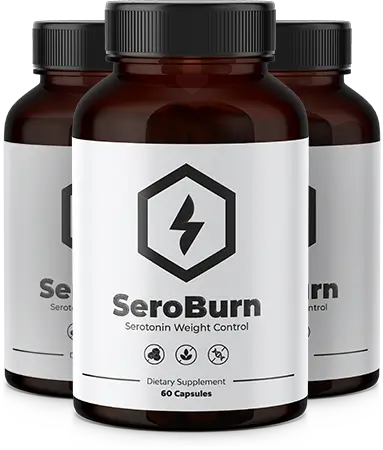
What SeroBurn publicly lists
The current SeroBurn sales pages list a broad blend spanning serotonin precursors, botanicals, amino acids, and metabolic-support ingredients. Publicly named ingredients include 5-HTP, stinging nettle leaf, saffron extract, L-tryptophan, green tea extract, white kidney bean extract, ashwagandha root, L-theanine, L-carnitine, valerian root extract, and vitamin B6.
The list is useful, but buyers should still look at the current Supplement Facts panel. Ingredient quantity, extract standardization, serving size, and whether the ingredient belongs to the AM or PM formula can matter more than the ingredient name alone.
5-HTP
5-HTP is a precursor used by the body in serotonin synthesis. Memorial Sloan Kettering notes preliminary human research suggesting possible effects on appetite and food intake, but also emphasizes that the evidence is limited and that larger studies are needed. It can interact with drugs that affect serotonin.
Green tea extract
The NIH Office of Dietary Supplements says green tea preparations may have a small effect on body weight. It also distinguishes brewed green tea from concentrated extracts: concentrated green tea extract has been associated with gastrointestinal effects, increases in blood pressure, and rare liver injury.
Saffron extract
Saffron has been studied for several outcomes, including mood and snacking behavior, but study design, dose, extract type, and population vary. Research on saffron should not be treated as evidence that a multi-ingredient SeroBurn formula will produce a particular weight outcome.
L-tryptophan, vitamin B6 and serotonin pathways
L-tryptophan is an essential amino acid involved upstream in serotonin synthesis. Vitamin B6 participates in numerous enzymatic reactions. Their presence supports the product’s serotonin-focused marketing story, but biology is more complex than “more precursor equals predictable appetite control.”
White kidney bean extract
White kidney bean extracts are often marketed around carbohydrate digestion because certain extracts can inhibit alpha-amylase. Clinical findings depend heavily on the standardized extract and dose. A label should identify the actual ingredient amount rather than relying on generic “carb blocker” language.
Ashwagandha, L-theanine and valerian
These ingredients are commonly associated with stress, relaxation or sleep-support positioning. Evidence varies by ingredient and formulation, and these effects should not be converted into guaranteed weight-loss claims. Sedating or calming ingredients can also matter when combined with medicines, alcohol, or other supplements.
L-carnitine
L-carnitine participates in fatty-acid transport and cellular energy metabolism. That biochemical role does not mean any product containing L-carnitine automatically causes meaningful fat loss. Outcome evidence depends on dose, population and total intervention.
Stinging nettle leaf
Stinging nettle has a long history of traditional use and is studied for multiple biological effects, but weight-management claims remain much less established than typical marketing language suggests.
Our ingredient-evidence rule
We distinguish four different things: an ingredient’s biological role, research on that ingredient, the dose used in research, and evidence on the finished product. They are not interchangeable. The current SeroBurn marketing pages cite ingredient research, but we did not locate a published randomized controlled trial of the finished AM/PM system itself.
Sources
- SeroBurn official sales pages, reviewed September 30, 2026.
- NIH Office of Dietary Supplements, Dietary Supplements for Weight Loss fact sheets.
- Memorial Sloan Kettering Cancer Center, 5-HTP monograph.
- National Center for Complementary and Integrative Health, complementary-health safety resources.