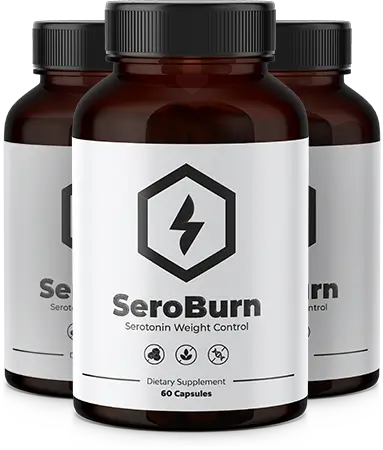
Serotonin does more than one thing
Serotonin is a neurotransmitter and signaling molecule involved in many processes, including mood, gastrointestinal function and appetite-related signaling. Because appetite is influenced by multiple brain circuits, hormones, food cues, sleep, stress and learned behavior, “serotonin controls hunger” is an oversimplification.
Why supplements focus on serotonin
Ingredients such as 5-HTP and L-tryptophan sit upstream in serotonin synthesis. That creates a biologically plausible marketing narrative: support precursor availability, influence serotonin pathways, and potentially affect satiety or eating behavior. Plausibility, however, is not the same as predictable clinical benefit.
Appetite is not the same as body weight
Even if an intervention changes appetite for some people, long-term body weight depends on many interacting variables. A supplement study that reports a change in food intake cannot automatically be translated into a guaranteed number of pounds lost.
Medication interactions matter
Serotonin-active supplements can interact with serotonin-active medicines. 5-HTP is particularly relevant because Memorial Sloan Kettering advises against unsupervised use with SSRIs, MAOIs, tricyclic antidepressants and other serotonergic drugs.
Sources
- Memorial Sloan Kettering Cancer Center, 5-HTP monograph.
- NIH Office of Dietary Supplements, weight-management supplement fact sheets.
- SeroBurn official ingredient pages, reviewed September 2026.